
Leaving No Veteran Behind
By David McCall
USW International President
Marcelo Assis served as an Army medic from 1998 to 2002 and went on to build a purpose-driven civilian career as a licensed plumber, gas company worker and union activist.
Assis, president of United Steelworkers (USW) Local 12000 at Southern Connecticut Gas, wants to see other veterans thrive like he has. He knows that they have the guts and the skills, often sharpened in combat, to succeed on the home front.
Yet many former service members struggle to find their way, observed Assis, who counts two of his own friends among the thousands of veterans who take their own lives every year.
While the difficulties that veterans face are numerous and diverse, Assis fervently believes the nation needs to do a better job of reaching out to those who served and connecting them to the assistance they earned.
That’s why he and other USW members support federal legislation that would require employers across the country to post notices in plants, offices and other workplaces outlining the benefits and services available to veterans.
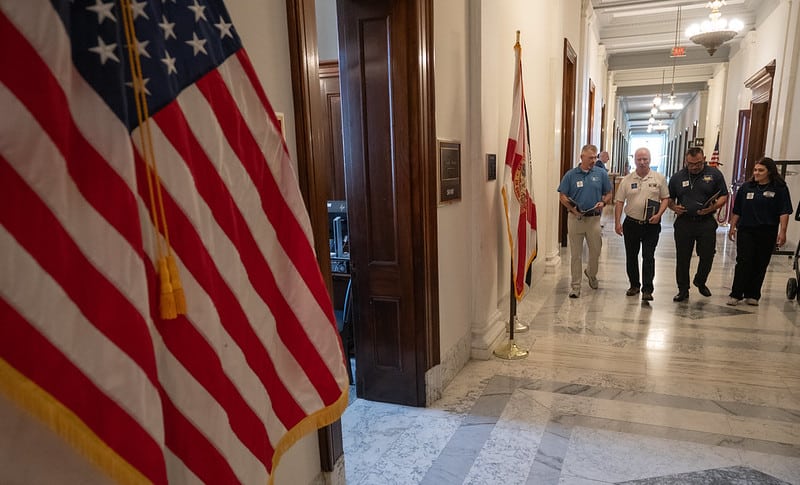
USW members seek legislation that mirrors the workplace poster laws they already helped to enact for veterans in New York and 14 other states over the past couple of years. While those state-level laws continue to make an impact, explained Assis, it’s clear that uniform, nationwide outreach is essential to the mission of leaving no veteran behind.
“One life being saved is priceless,” noted Assis, who still wonders not only about what went wrong for the friends he lost but what might have made a difference.
“It’s hard to know exactly,” said Assis, who provides free plumbing services to veterans in his community and advocates for veterans’ issues at both the state and federal levels. “What I can tell you is that, if they knew what they needed, they didn’t know how to access it.”
Union members began working with U.S. Rep. Chris Deluzio, a Navy veteran and former USW member, on the federal poster legislation several months ago. They have since built bicameral, bipartisan support and anticipate the bill’s introduction on Jan. 7.
It would require federal agencies, such as the Department of Labor and Department of Veterans Affairs, to create the posters and make them available to employers. The posters would be displayed in commonly frequented areas of a workplace, such as lunchrooms, and provide information on how to access a mental health crisis line and Veterans Administration health care as well as educational, legal, housing and other key services.
The name of the bill, the Thomas M. Conway Veterans Access to Resources in the Workplace Act, honors the late USW international president and proud Air Force veteran.
Conway established the USW’s Veterans of Steel program to empower union members with military backgrounds—those separated from the service as well as those still in the Guard or Reserve—and to ensure their fair treatment on the job. Vets of Steel also helps to lead the union’s advocacy for pro-veteran laws.
Assis credits his own success to lucky breaks, an ability to relate to others and a strong sense of purpose.
He missed the camaraderie—and the sense of being part of something important—when he left the Army. “But a lot of those feelings were resolved when I joined the union,” he said, noting USW members stand together like soldiers, sailors and airmen do.
Unfortunately, many veterans struggle to adjust to civilian life because of service-related trauma, substance abuse disorders, loss of identity, the challenge of adapting to new responsibilities or other reasons. At the same time, however, the government services specifically established to help veterans often go unused.
For example, only about 3,500 of the 12,000 veterans in Kalamazoo County, Michigan, avail themselves of food vouchers and assistance with rent and utilities, among other benefits, despite America’s growing cost of living crisis.
Other studies found surprisingly few veterans taking advantage of social services, legal resources or mortgage benefits. Veterans left billions in VA home loans on the table last year, passing up the special terms despite skyrocketing home prices and insurance costs that squeeze many Americans out of the market.
The VA itself, alarmed by the high suicide rates among former service members, says it relies on “partners and communities nationwide to reach veterans where they are.”
Some veterans may simply be unaware of the benefits and services available to them, Assis said, noting the government doesn’t always do a good job of preparing service members for life after discharge.
In other cases, he pointed out, veterans may not want to discuss mental health challenges or other needs with family, friends or co-workers. They may not want to ask someone where to seek help or know where to look for it.
That’s where workplace posters make a crucial difference, enabling veterans both to understand what’s out there for them and to pursue those opportunities with as much privacy as they may desire.
“If you see something on a poster, you view it as information you found, and you take care of it yourself,” Assis said, stressing that it makes no sense for veterans to walk away from benefits the government owes them in exchange for their service.
“This is part of the promise back to us,” he said. “This is something every soldier, sailor, Marine and airman signed up for and should take part in.”
By clicking Sign Up you're confirming that you agree with our Terms and Conditions.
Ready to make a difference?
Are you and your coworkers ready to negotiate together for bigger paychecks, stronger benefits and better lives?