LEO W. GERARD: 1947-2025 – ‘The Work of a Lifetime’
USW Mourns Loss of Former International President
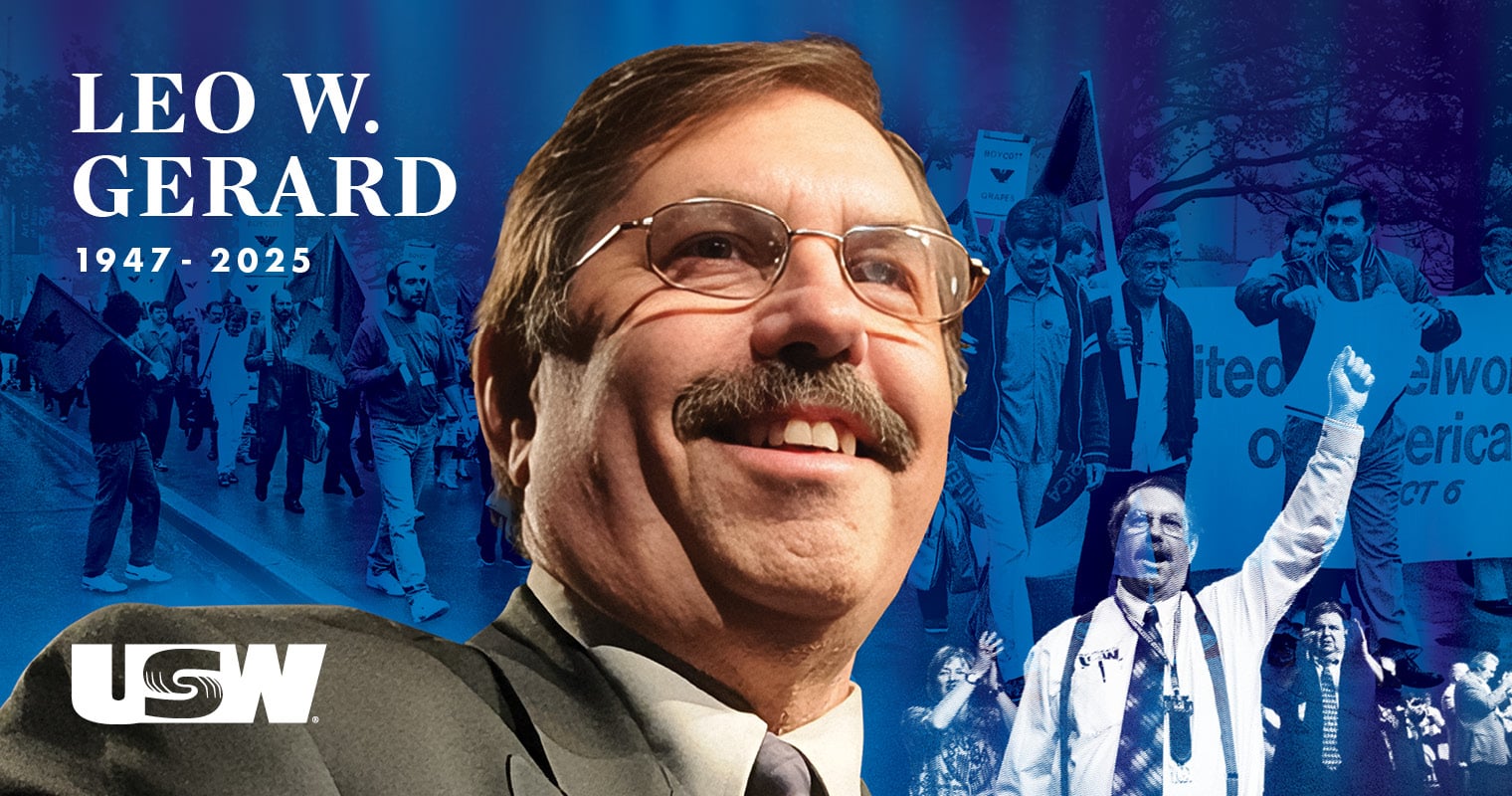
Leo W. Gerard grew up in a company town in Sudbury, Ontario, a miner’s son who, as a boy, accompanied his father on union organizing drives. By the time he became a union steward at age 22, he was already a veteran of the labor movement.
Gerard, who died on Sept. 21 at age 78, followed in his father’s footsteps and went to work at the nickel smelter in his hometown at age 18, joining the International Union of Mine, Mill, and Smelter Workers. Two years later, that union merged with the Steelworkers, and Gerard’s 52-year career as a USW activist began.
“The company controlled the town but never succeeded in owning the souls of the men and women who lived and worked there,” he once said. “That’s because these were union men and women.”
When Gerard retired as the USW’s seventh international president in 2019, his 18-year tenure made him the longest-serving leader in the union’s history.
Early Activism
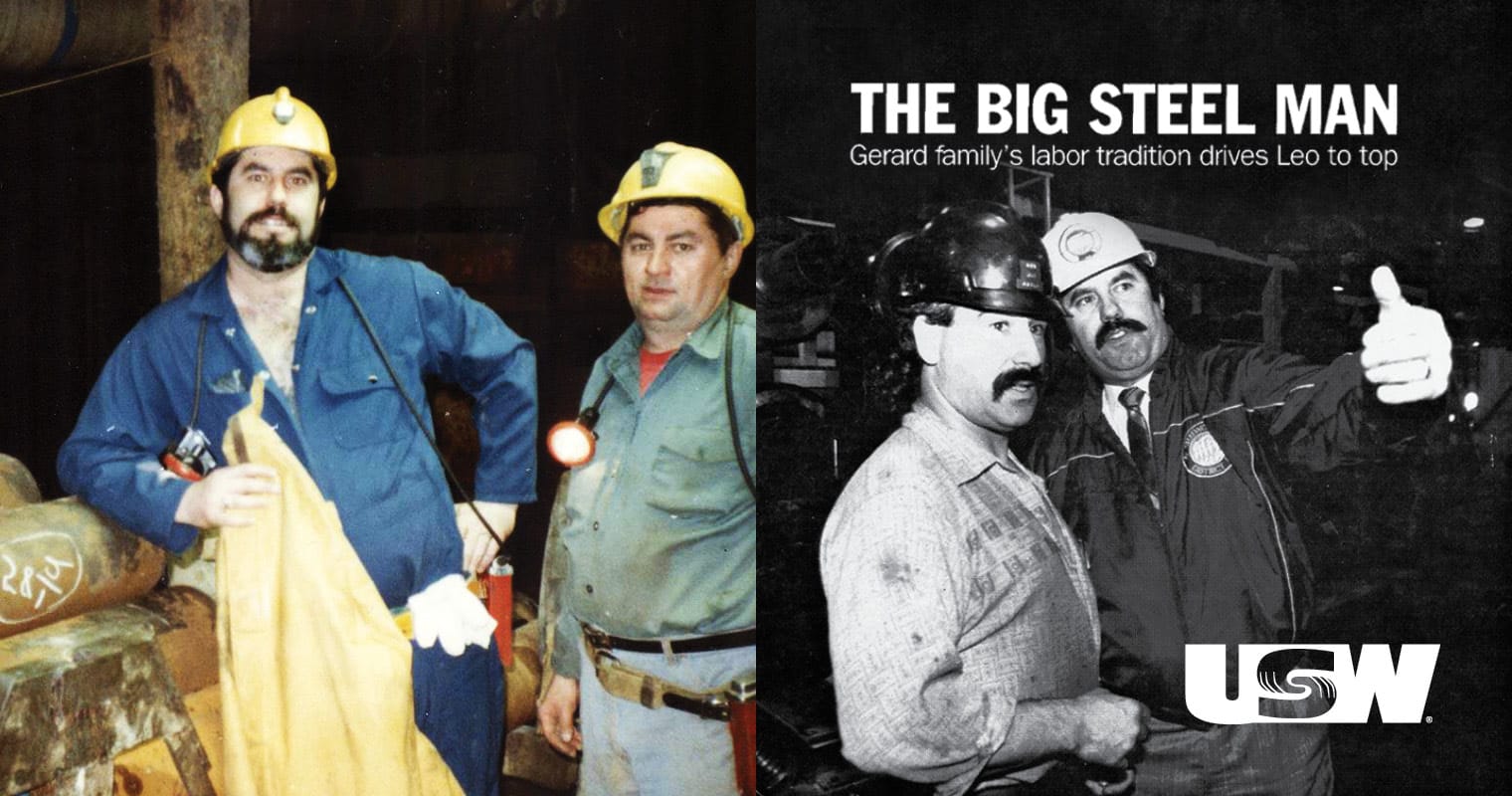
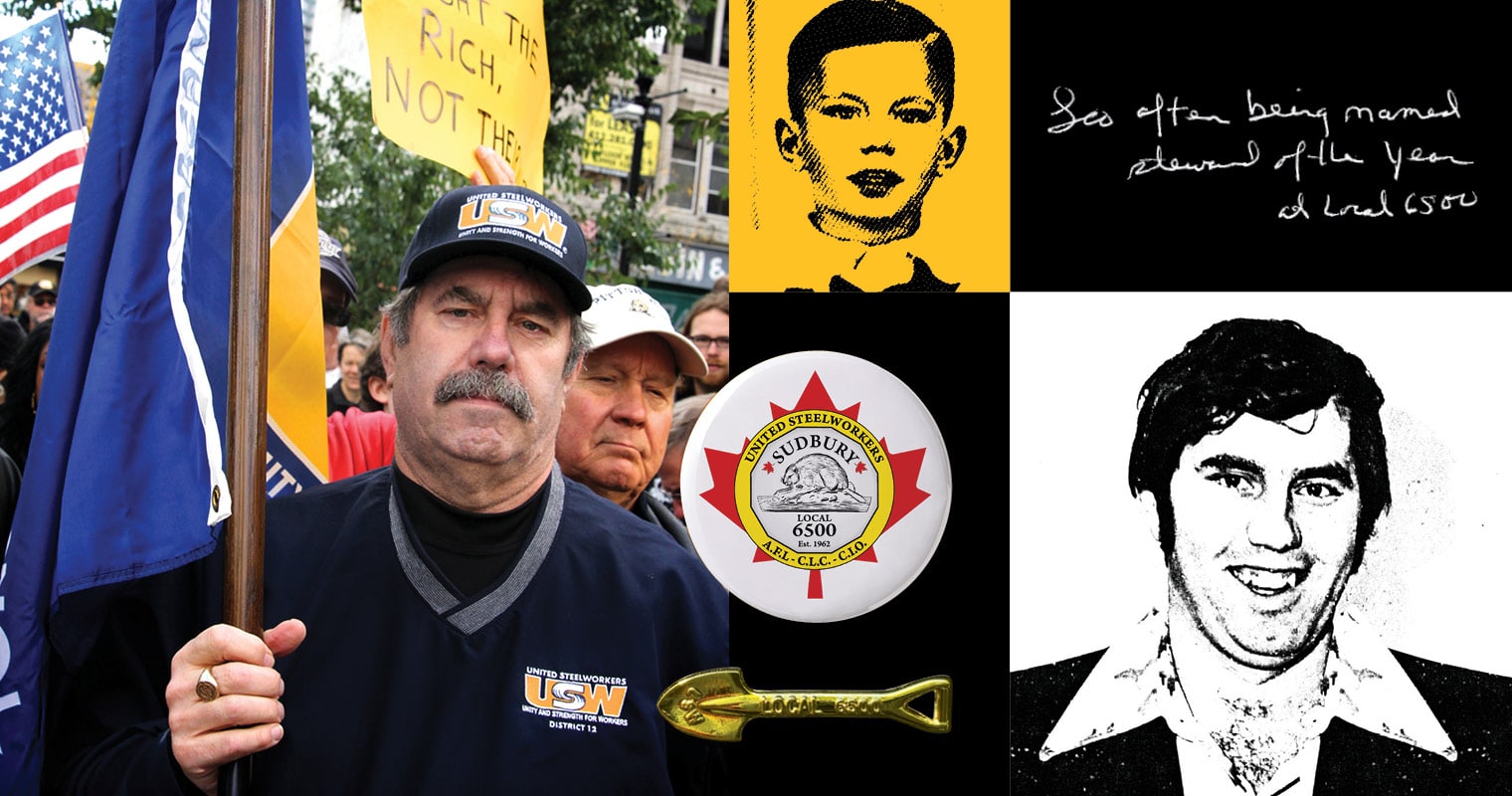
As a young mine worker, Gerard quickly made a name for himself in Local 6500, serving as chief steward before joining the USW staff in 1977.
Growing up in a union home provided two important lessons, he said: “One was that the company would do nothing for the workers unless forced by collective action. The other was that labor unions were instruments of both economic and social justice.”
That goal of achieving justice through solidarity never left Gerard’s mind, International President David McCall said as he memorialized his union brother and longtime colleague.
“Leo spent his entire life fighting for workers across the world, and his impact on the USW, and the global labor movement, has been immeasurable,” McCall said. “His mission was the work of a lifetime, and he inspired countless others to carry on the fight.”
Health and Safety
With another USW international president and fellow Canadian, Lynn Williams, as his mentor, Gerard served USW members in numerous roles – as District 6 director, Canadian national director, and secretary-treasurer – before becoming international president in 2001, succeeding George Becker.
“Leo was a visionary leader, determined and fearless in taking on corporations and lawmakers alike,” said Canadian National Director Marty Warren. “He spent his career building power for workers so that everyone could have safer jobs, better pay, retirement security and respect on the job. As a proud Canadian, he never wavered from his values.”
Workplace safety was the core principle that set Gerard on his path to union leadership, said his longtime friend Allan McDougall.
As a child in the schoolyard, Gerard would hear sirens blaring whenever a worker was hurt or killed in the mine, never knowing if it might be his dad who was in trouble.
“He wanted that siren stopped,” McDougall said. “And he saw the union as the way to get that siren to stop.”
That commitment drove him to fight tirelessly for health and safety throughout his career, and to tap McDougall in 2005 to lead the USW’s Emergency Response Team. The pair met in 1971, when both were members of Local 6500, and forged a lifelong bond.
“Leo saw something in me that I didn’t see in myself,” McDougall said. “We trusted each other explicitly, right from our first meeting.”
Building Alliances
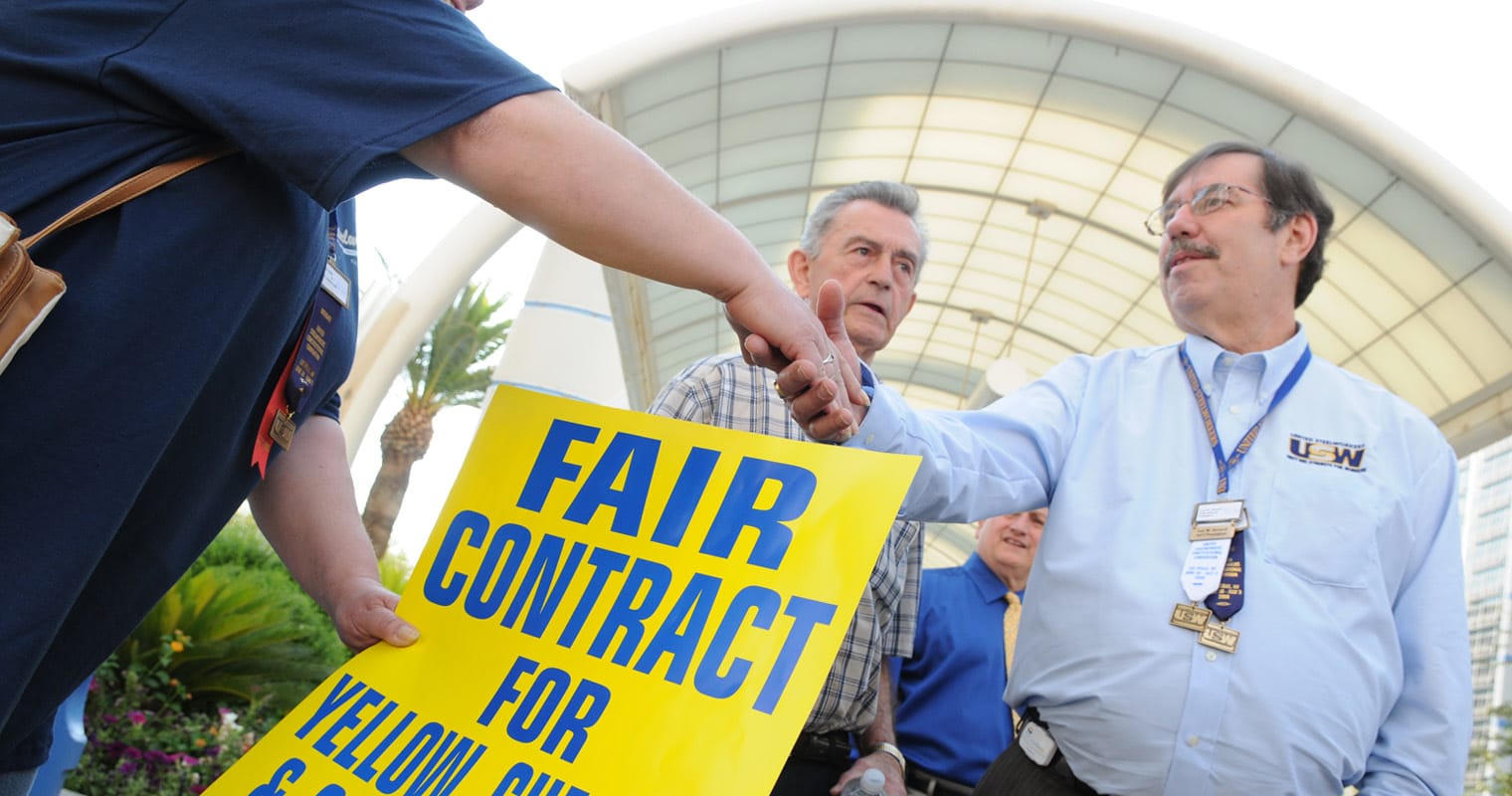
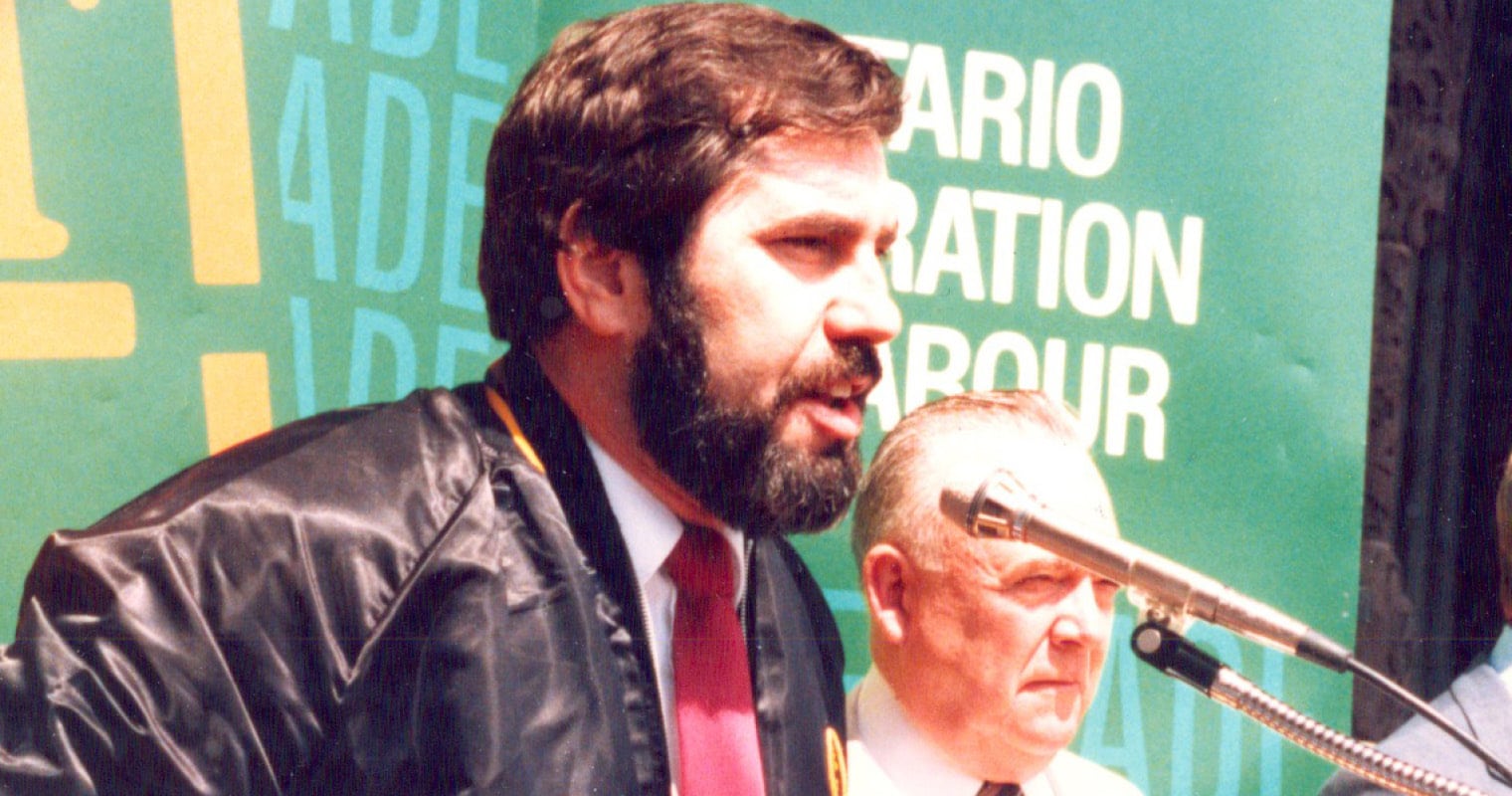
Through the years, he consistently sought to grow the union and empower members to make their voices heard in their workplaces, communities and halls of government. Under his leadership, USW members stepped up organizing, orchestrated strategic mergers with other labor groups, and built alliances with allies in North America and around the world.
Gerard oversaw the USW’s 2005 merger with the Paper, Allied-Industrial, Chemical and Energy Workers International Union (PACE) – which made the USW the largest industrial union in North America – and was instrumental in the formation of the BlueGreen Alliance, a powerful labor-environmental partnership, in 2006.
“There is no choice between good jobs and a clean environment,” Gerard often said. “We must have both, or we will have neither.”
He guided the union through two significant mergers with Canadian workers – the Industrial, Wood and Allied Workers of Canada, and the Telecommunications Workers Union of Canada, now USW Local 1944.
He championed international cooperation among labor organizations, building relationships with unions in Mexico, South America, Europe, Australia, Africa and elsewhere. His leadership helped to establish the IndustriALL Global Union, a coalition that includes 50 million workers in 140 countries.
Global Partnerships
One of the strongest cross-border bonds Gerard created was the USW’s partnership with the Mexican mine and metalworkers’ union Los Mineros, a connection that began 20 years ago when the two unions entered a strategic alliance.
Not long after reaching that agreement, the Los Mineros leader, Napoleon Gómez Urrutia, was forced to flee his country to escape bogus corruption charges. With the USW’s assistance, Gomez spent 12 years in exile in Vancouver before returning triumphantly to be sworn in as a member of the Mexican senate.
“A new world of possibilities begins for Los Mineros and the working class of Mexico,” Gerard declared upon Gómez’s return in 2018. “This transformation will benefit not only workers in Mexico, but also their sisters and brothers in Canada and the United States.”
Gerard sought out countless other allies around the world to fight alongside USW members as they took on multinational corporations and wealthy elites.
Those efforts paid dividends. Under Gerard, major strikes and lockouts in the oil industry and at companies like Vale, Goodyear, Rio Tinto and Allegheny Technologies (ATI) ended in victory for USW members. Paper workers successfully fought to restore pattern bargaining to their industry, strengthening their collective power.
Those successes, Gerard always maintained, belonged to the union’s rank-and-file members.
“These brave workers showed us all the strength that we can have when we stand together in unflinching solidarity,” he declared in 2016 after ATI backed down from its concessionary demands and ended a grueling six-month lockout.
As a global union leader, Gerard crossed paths with bankers and CEOs, presidents and prime ministers. The credit for those relationships, too, went to the strength of the USW membership. Gerard never forgot that the reason he was welcomed into halls of power was because he represented thousands of workers and their families.
Fair Trade Fight
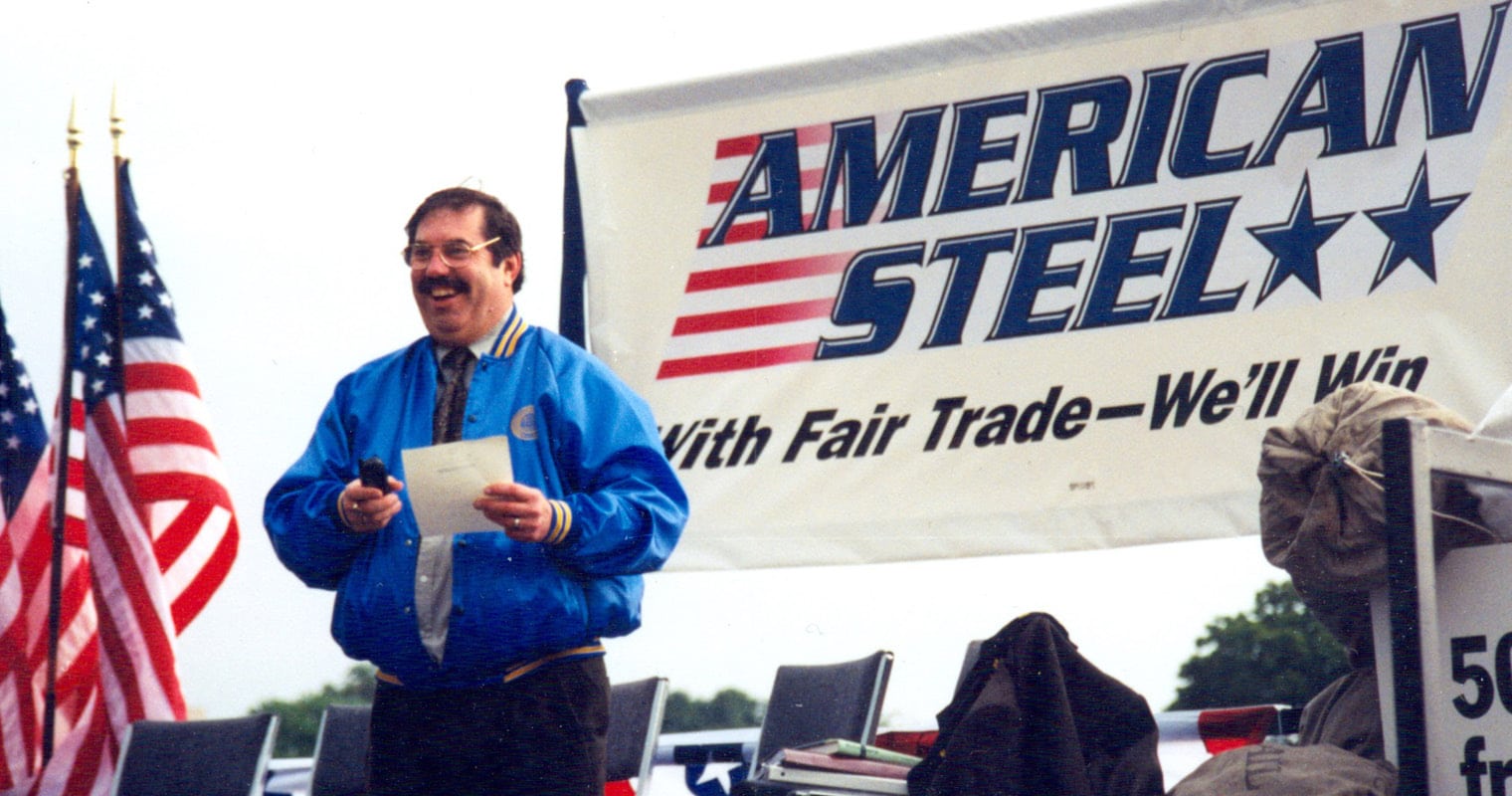
One of the most difficult battles workers faced during his tenure was the threat of illegal imports destroying good union jobs. Following the North American Free Trade Agreement in 1994 and China’s entry into the World Trade Organization in 2001, that work became even more challenging.
In 2002, 30,000 union members rallied in Washington, D.C., to “Stand Up for Steel,” demanding decisive action on unfair trade. Less than a week later, President George W. Bush imposed tariffs on steel imports that, Gerard said, saved thousands of jobs.
Under his leadership, the USW aggressively promoted manufacturing and filed a record number of cases challenging illegal trade across a wide variety of industries. Often, he personally traveled to Washington, D.C., to testify before Congress or the U.S. International Trade Commission.
“The health of the economy, the success of our people and our national security are inextricably tied to a vibrant and innovative manufacturing sector,” Gerard told the U.S. Senate in 2012.
A Diverse Union
Gerard worked hard to diversify the union, insisting upon greater educational and leadership opportunities for women and people of color, while organizing workers in nontraditional industries such as health care and education. He bolstered the union’s civil and human rights, education, SOAR, Rapid Response and Women of Steel initiatives and, in 2011, launched a new program – known as NextGen – to educate and prepare future USW leaders.
Those initiatives helped USW members achieve bargaining and legislative victories that advanced the union’s agenda.
In the aftermath of the 2008 financial crisis, Gerard led the way as workers fought to counteract the ripple effects of the recession in the automotive and tire industries and other manufacturing sectors.
In Canada, he was a champion of the progressive New Democratic Party (NDP), a third party with a worker-centered agenda. Along with NDP leaders, USW members achieved a long-sought victory in 2004 with the “Westray Law,” legislation that made corporate owners and managers criminally liable for failing to protect the lives of their employees.
Much of that success was thanks to the working-class tenacity Gerard gained in his youth, said International Secretary-Treasurer Myles Sullivan, who also grew up in an Ontario mining community.
“Leo never forgot that he came from Local 6500, and he was very proud about his early activism in Sudbury,” Sullivan said. “Every time he came home, he always took the time to visit our union hall – dedicated to Leo in his name – and to visit with union leaders and members.”
‘Fiery and Passionate’
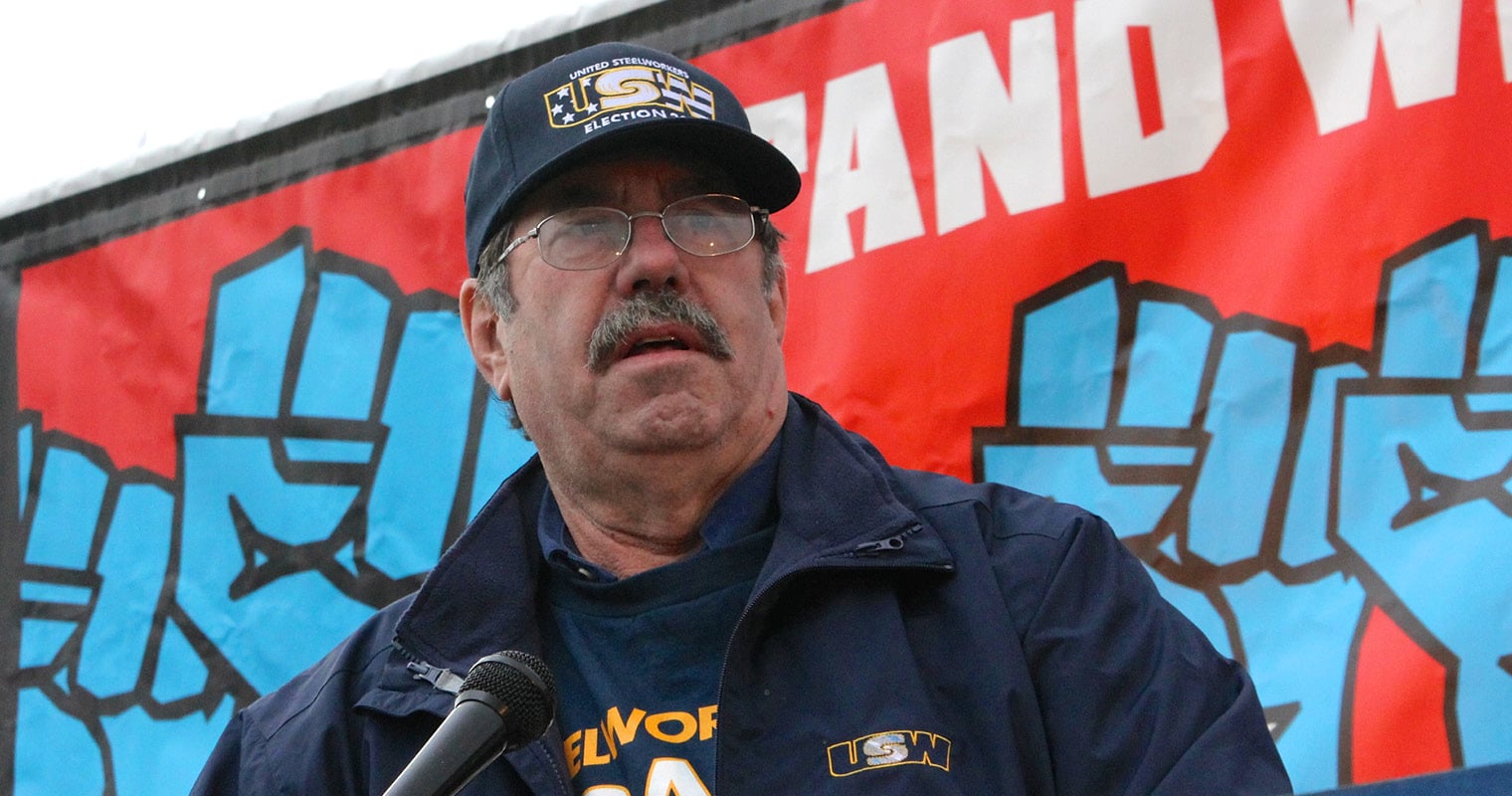
Known for his fierce oratory, punctuated with the occasional expletive, Gerard always spoke truth to power, and never shied from standing up to powerful corporations and the ultra-wealthy, McDougall said.
“He was a natural speaker, fiery and passionate,” McDougall said.
Former Canadian National Director Ken Neumann, another longtime friend and colleague, said Gerard leaves behind a momentous legacy.
“He’ll be written down in history as one of the greatest labor leaders in North America, if not the world,” Neumann said.
In 2023, Gerard received his nation’s highest civilian honor – Companion of the Order of Canada – for “outstanding achievement and merit of the highest degree.”
Last fall, the USW partnered with the University of Toronto to launch the USW/Leo Gerard Chair in Collective Bargaining and Worker Representation at the school’s Centre for Industrial Relations and Human Resources. A fundraising team helped collect more than $3.6 million in support of the chair, meant to drive research into labor relations.
A Lion’s Heart
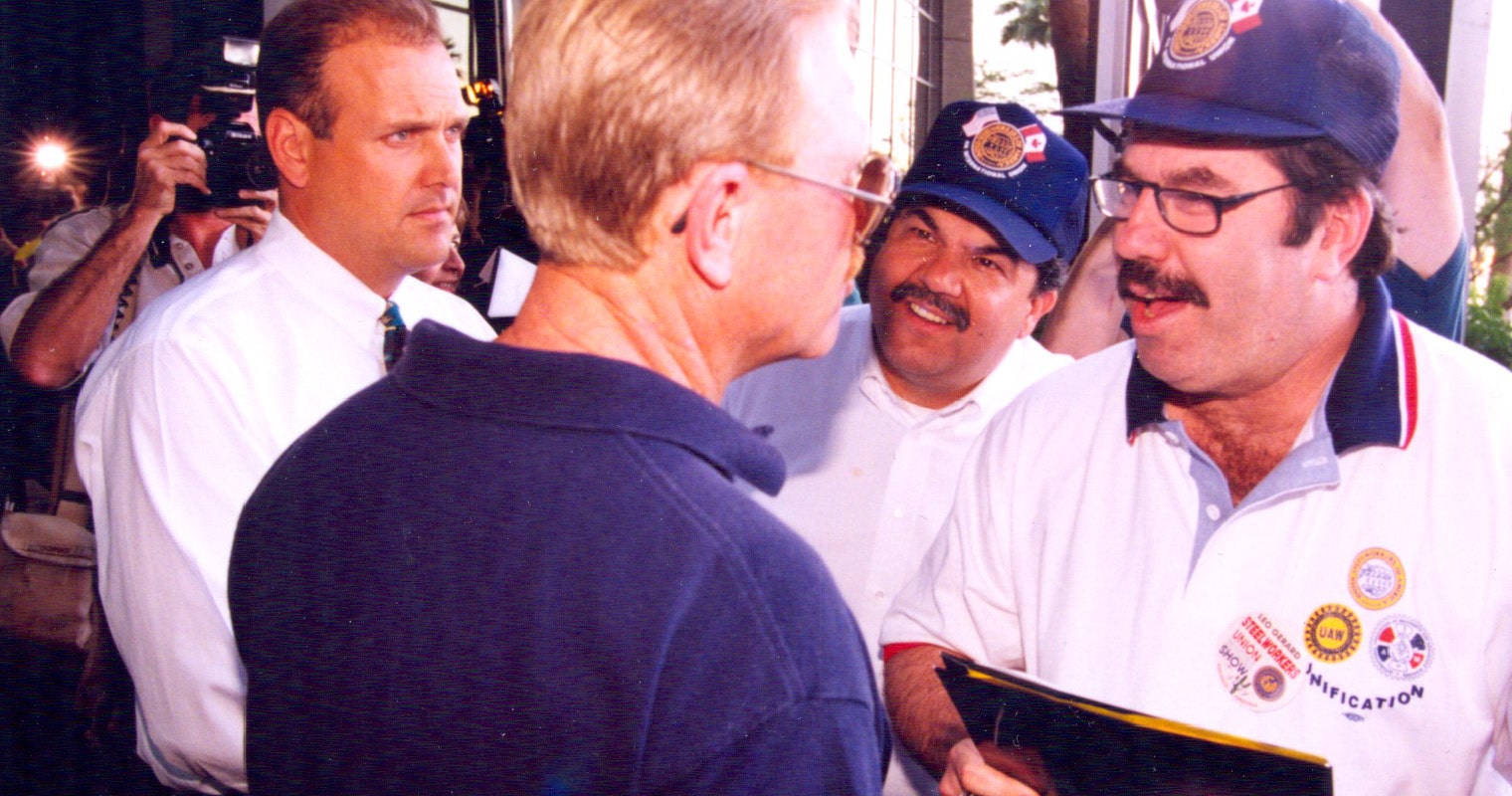
Over the years, he built a strong relationship with the late Richard Trumka, a fellow miner and president of the AFL-CIO. When USW members gathered in 2019 for the installation of Gerard’s successor, Tom Conway, Trumka called Gerard a salt-of-the-earth worker who never lost touch with the rank-and-file he was sworn to serve.
“He never forgot where he came from,” he said. “All of us are better off for having crossed your path.”
Gerard’s path of standing up to the powerful was set early in life, and one from which he never wavered. In high school, his open defiance of rules he thought were ridiculous led to frequent discipline; later, he received the first spot on the school’s wall of fame.
“It helped prepare him for a place in the history books as someone who’s not afraid to get dirty,” Trumka said in 2019.
AFL-CIO Secretary-Treasurer Fred Redmond, who served alongside Gerard as USW international vice president for 13 years, remembered his compassion and empathy.
“He understood that our responsibility as trade unionists didn’t end at the bargaining table,” Redmond said in a joint statement with AFL-CIO President Liz Shuler.
International Vice President Roxanne Brown called Gerard a personal mentor who had an outsized impact on the USW and the entire labor movement.
“Leo lived up to the meaning of his name, ‘lion-hearted,’ and it showed in every fight he waged on behalf of workers,” Brown said.
Gerard, she said, always had the long-term interests of workers and families in mind, especially those of his two daughters and three grandchildren, whom he mentioned nearly every time he spoke to a crowd.
“We must not forget, this fight is not just about us,” Gerard declared as he closed his address to the 2017 USW convention, his last as president. “This is a fight that we need to wage for our kids and our grandkids.”

By clicking Sign Up you're confirming that you agree with our Terms and Conditions.
Want to Learn More?
See how the USW is making a real difference in our communities and our workplaces.