‘We Lean on Each Other’ – USW Emergency Response Team Shows Up When Tragedy Strikes
When an explosion tragically took the lives of Steelworkers Steven Menefee and Timothy Quinn in the late morning of Aug. 11, members of the union’s Emergency Response Team (ERT) and Health, Safety and Environment (HSE) department immediately mobilized to help USW siblings and families.
The disaster at U.S. Steel’s Clairton Coke Works, which also hospitalized five workers with serious injuries, set off a chain of texts and calls throughout the union. As soon as news of the event reached them, ERT and HSE activists made their way to Clairton and the Local 1557 union hall, where members were already getting help from across southwestern Pennsylvania.
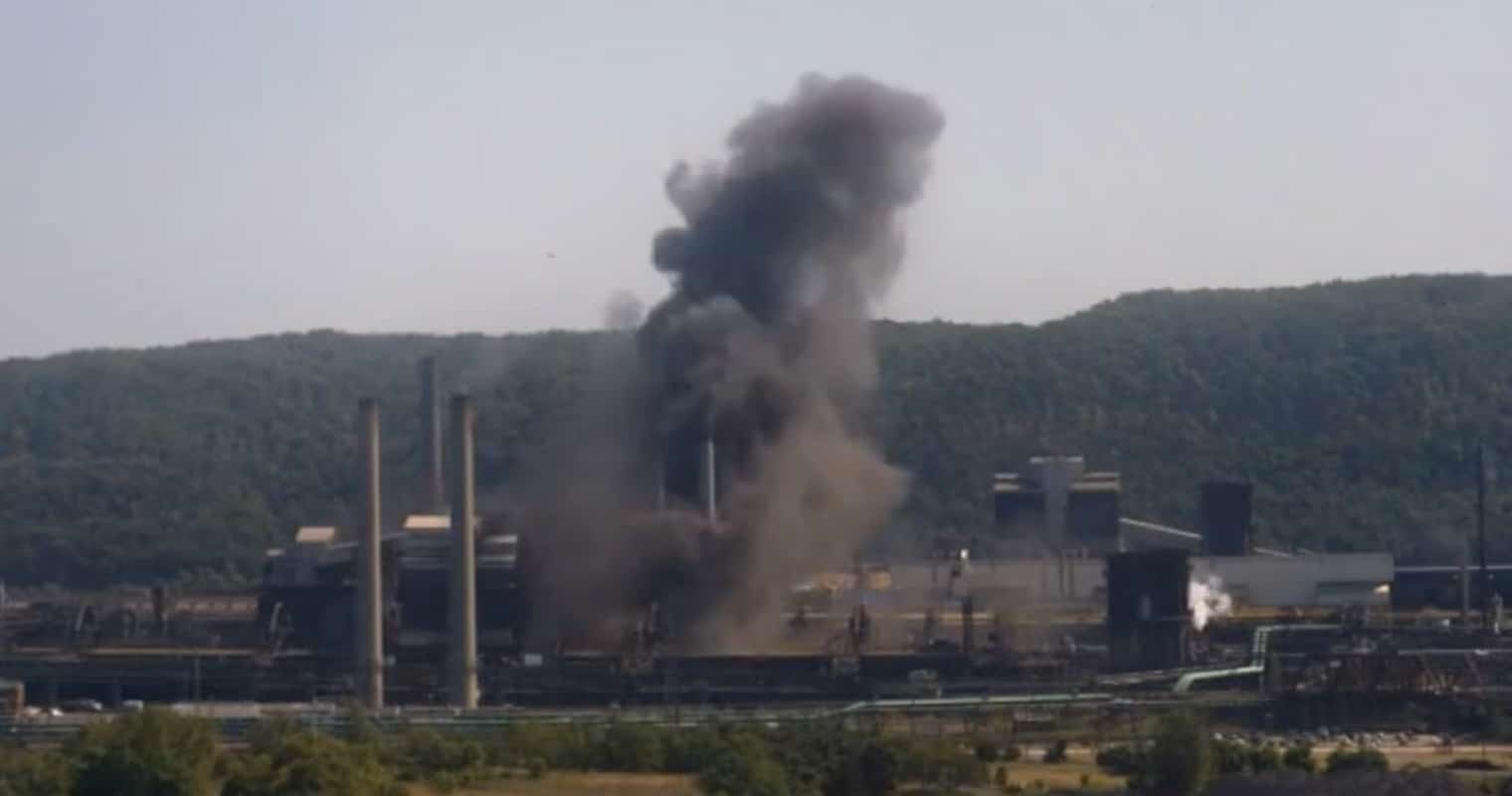
“Having all of that support already in the making was really gratifying to see,” said ERT coordinator and Local 7687 member Bonnie Reese, who lives about 200 miles east of the mill. “Members were already coming to the union hall. The community was already reaching out to the local.”
Tom Duffy, the USW’s assistant HSE director, also arrived on the scene soon after the disaster to assist workers and begin the process of determining the root cause of the tragedy.
Community Support
Zack Mainhart, NextGen co-chair for Local 1557, said the outpouring of support for the Menefee and Quinn families, injured workers, and others in Clairton, from the USW and people and businesses across the Monongahela Valley, was “awe- inspiring.”
“I’ve never seen a community rally like that,” he said. “Everybody just showed up.”
As members gravitated to the union hall, ERT coordinators quickly began to check in with workers and families to determine how best to assist them through the days and weeks following the tragedy.
The ERT responds to fatalities and life-altering incidents at USW workplaces across North America and steps in to help workers and families with tasks, questions and support of all kinds – including housing, food, transportation, counseling, legal assistance and a host of other needs that arise in the wake of an unexpected catastrophe.
“Our goal is to help everybody,” said Reese. “Every person there was somehow affected by that tragedy. Our goal was to reach as many of the people who were affected as possible and to get them the help they needed.”
Deep Roots
This year, the ERT program is marking its 20th anniversary as part of the USW, but the team’s roots stretch beyond that milestone, back to the Oil, Chemical and Atomic Workers Union, which became part of the Paper, Allied-Industrial, Chemical and Energy Workers International Union six years before that union merged with the USW in 2005.
In August, just a week before the Clairton tragedy, ERT members gathered at the USW’s Linden Hall training facility in Pennsylvania, for several days of training, education and fellowship.
Spending time with team members who have had similar experiences helps to strengthen the group and remind coordinators they are not alone, said ERT Director Duronda Pope, one of the original members of the team.
Pope described the ERT as “an ever-evolving program that touches so many lives.”
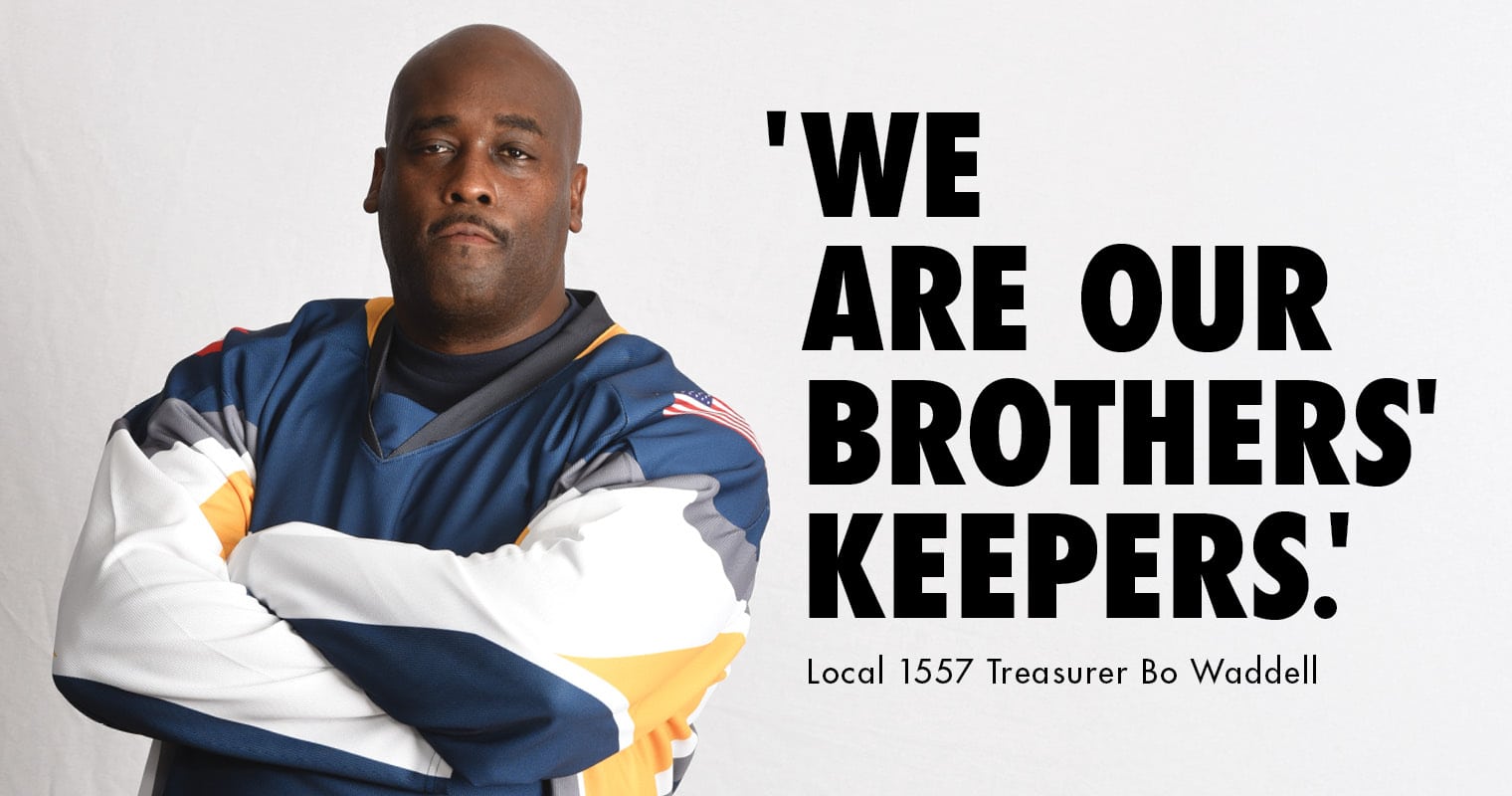
One of the members who attended that training session was ERT coordinator Bo Waddell, treasurer of Local 1557 in Clairton, who went back to work at the mill the following Monday, just a few hours before disaster struck.
“It was a numb feeling, knowing what I had just learned, and now experiencing it firsthand,” Waddell said, noting that his training prepared him with information about who to call and how to manage the aftermath of the tragedy.
“We are our brothers’ keepers,” he said.
Worker to Worker
Pope’s predecessor Allan McDougall, who oversaw the ERT for 15 years, recently published a book about his and others’ experiences with the team – “In the Spirit of Service – Workers Helping Workers.”
In the book, McDougall chronicles his own stories and those of other ERT members in detail, providing both lighthearted and heartbreaking accounts of ways in which the team has helped workers and families.
One essential aspect of the ERT that makes the program successful is the worker-to-worker connection, McDougall said, recounting his experiences as a young miner in Ontario, where his employer would bring in its own counselors following a tragedy.
“We wouldn’t talk to them. We couldn’t relate to them,” he explained. “With the ERT, we said we are going to do something different. We’re going to have workers looking after workers.”
Members in Clairton recognized the importance of that connection, Waddell said.
“To be heard and not just listened to, that’s a big difference,” he said. “Workers who come from a shop floor can relate to what you’re saying.”
“The families trust us,” McDougall added.
Reese and others said that trust helped ERT members respond more effectively in Clairton.
“Talking to a Steelworker is sometimes the best kind of medicine,” she said. “We are union brothers and sisters first and foremost.”
The first step, she said, is letting grieving families know that the ERT is there for them.
“We lean on each other,” Reese said, explaining that in their distress, families often need help communicating with the employer, as well as with medical providers, investigators, insurance companies and other officials.
Life-Changing Event
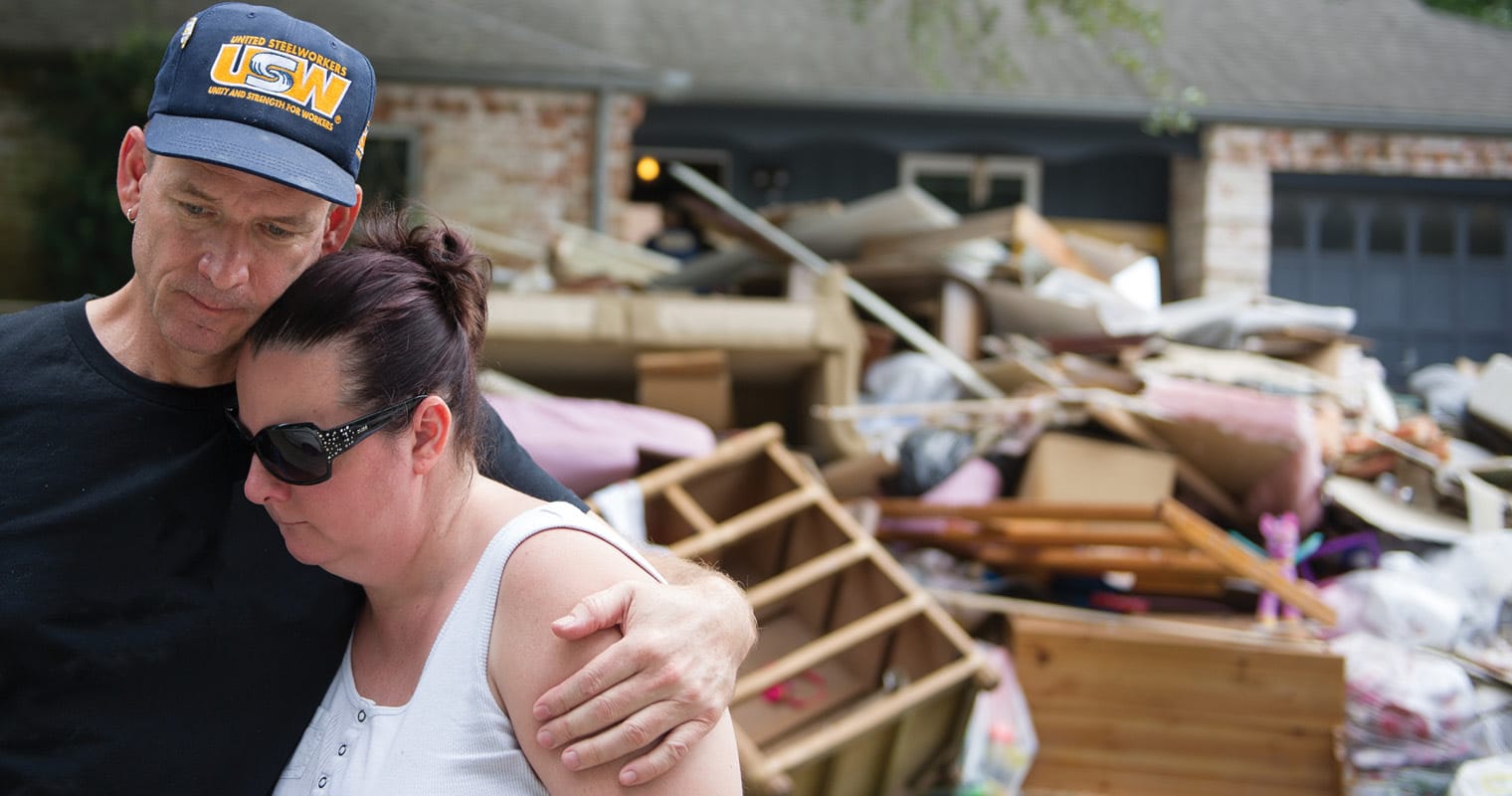
For some ERT coordinators, like Owen Goodwin of Local 2009, personal experience can lead them to join the team.
Goodwin said he decided to become part of the ERT after watching his wife struggle when he experienced a life-changing incident that left him unable to complete day-to-day tasks.
“She had to do it all by herself,” Goodwin said.
Waddell said making sure no USW member’s family faces hardship alone is the main goal of the ERT and also of the USW as a whole.
“Just to reinforce for people that they are not alone is the most important thing,” he said.
For the families of Local 1557, it was clear from day one that they were not alone. Travis Laing, recording secretary and NextGen co-chair for Local 1557, worked with other members and local businesses to set up a GoFundMe account to raise money for the fallen members’ families, and the fund quickly surpassed its $80,000 goal.
Events included a golf outing, a car show, T-shirt sale and spaghetti dinner, as well as food trains and other ways for members of the community to pitch in. Dozens of other USW locals from across the country also sent donations, he said.
“It was very powerful,” he said.
Taking a Toll
While members say the work is deeply rewarding, being part of the ERT takes its toll. The team’s recent training included discussions about coping with anger, grief, anxiety, post-traumatic stress, and other responses to tragic events.
Because ERT members face such cases regularly, burnout can be an issue. That’s why, Pope said, the team has a sabbatical program that allows members to take time off as needed.
“The last thing we want to do is put someone in front of a grieving family who is grieving themselves,” she said.
The unpredictable nature of the work, travel and long hours can be grueling as well. Laing noted that ERT coordinators and local union leaders were putting in 16- to 18-hour days following the tragedy at Clairton, where the mill runs 24 hours a day, 365 days a year.
Still, he said, having the ERT there to help was invaluable to members and families who were struggling.
“It was one of the things that kept us going,” Laing said. “You really don’t know who has your back until push comes to shove.”
By clicking Sign Up you're confirming that you agree with our Terms and Conditions.
Recent News Articles
Want to Learn More?
See how the USW is making a real difference in our communities and our workplaces.